Artificial Intelligence: The Future of Technology and Human Innovation
Artificial Intelligence: The Future of Technology and Human Innovation
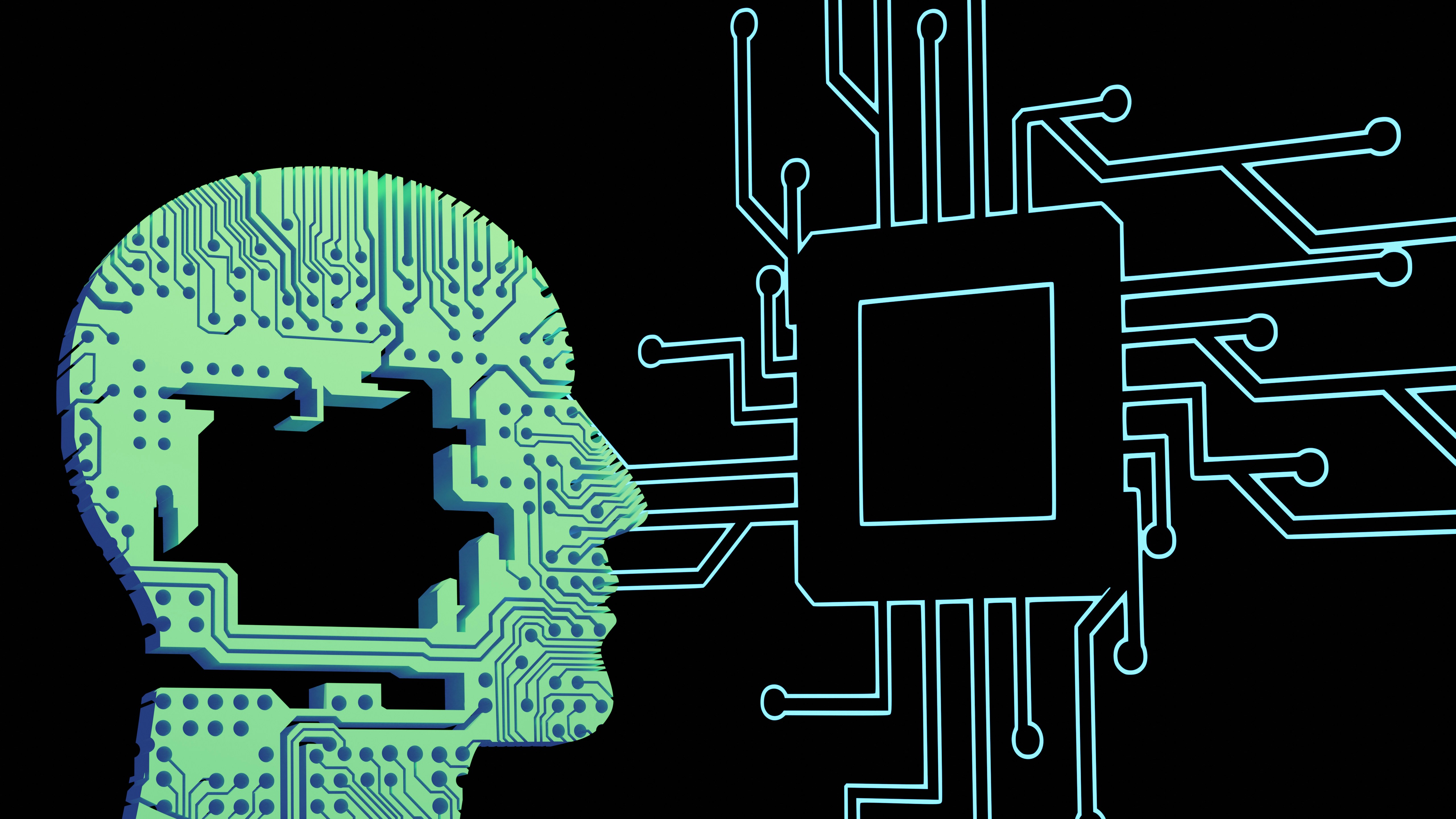
Keywords: Artificial Intelligence, AI technology, future of AI, AI advantages, AI disadvantages, AI applications, AI automation, machine learning, AI benefits, AI risks
Artificial Intelligence (AI) is transforming the modern world at an unprecedented pace. From intelligent virtual assistants to automated industries, AI is reshaping how humans interact with technology. Businesses, developers, and organizations are rapidly adopting AI solutions to improve efficiency, accuracy, and decision-making.
As a web developer passionate about modern technologies, I regularly explore AI tools and digital innovation. You can view my portfolio here: Fahad Habib Portfolio.
What is Artificial Intelligence?
Artificial Intelligence refers to computer systems designed to perform tasks that typically require human intelligence. These tasks include learning from data, recognizing patterns, understanding language, and making decisions.
AI systems rely on machine learning algorithms and large datasets to improve performance over time without explicit programming. This capability allows AI to adapt and evolve in real-world environments.
Key Applications of Artificial Intelligence
AI is widely used across multiple industries and sectors. Some of the most impactful applications include:
- Smart assistants and chatbots
- Healthcare diagnosis and medical imaging
- Autonomous vehicles
- Fraud detection in finance
- Recommendation systems in e-commerce
- Cybersecurity threat detection
- AI-powered search engines
- Predictive analytics in business
These applications demonstrate how AI is becoming an essential component of digital transformation across the global economy.
Advantages of Artificial Intelligence
Artificial Intelligence provides significant advantages for businesses, governments, and individuals. Its ability to process vast amounts of data and automate complex tasks makes it one of the most powerful technologies of the digital age.
- Automation of Repetitive Tasks: AI can handle routine and repetitive work efficiently, saving time and human effort.
- Reduced Human Error: AI systems perform calculations and analysis with high accuracy.
- 24/7 Availability: Unlike humans, AI systems can operate continuously without fatigue.
- Faster Decision Making: AI analyzes data in real time to support smarter decisions.
- Cost Efficiency: Businesses reduce operational costs through automation.
- Personalized Experiences: AI powers recommendations in e-commerce, streaming, and digital services.
- Innovation Enablement: AI supports new technologies such as smart cities, robotics, and intelligent healthcare.
Disadvantages of Artificial Intelligence
Despite its transformative benefits, AI also presents challenges and risks that society must address responsibly.
- Job Displacement: Automation may replace certain human roles, especially repetitive jobs.
- High Development Cost: Advanced AI systems require significant investment and expertise.
- Lack of Human Judgment: AI cannot fully replicate human creativity, emotions, or ethical reasoning.
- Data Privacy Concerns: AI relies on large datasets, raising privacy and security issues.
- Algorithmic Bias: Biased data can lead to unfair or discriminatory AI decisions.
- Security Risks: AI systems can be exploited for cyberattacks or malicious automation.
- Overdependence on Technology: Excessive reliance on AI may reduce human skills.
AI in Web Development and Digital Solutions
AI is increasingly influencing web development and online platforms. Developers now use AI for automated design suggestions, content generation, user behavior analysis, and intelligent search systems.
I actively work on modern web projects and digital solutions that align with evolving technologies. You can also connect with me professionally:
🔗 Facebook: Fahad Habib
🔗 LinkedIn: Fahad Habib LinkedIn
The Future of Artificial Intelligence
The future of AI promises advanced robotics, personalized healthcare, intelligent cities, and fully automated industries. AI will continue to evolve alongside technologies such as the Internet of Things (IoT), big data, and cloud computing.
Experts predict that AI will not replace humans but will augment human capabilities, enabling smarter decisions and innovative solutions.
Challenges and Ethical Considerations
As AI adoption grows, ethical governance becomes essential. Responsible AI development requires transparency, fairness, and accountability. Governments and organizations worldwide are working on regulations to ensure AI is used safely and ethically.
Balancing innovation with responsibility will determine how successfully AI benefits humanity.
Conclusion
Artificial Intelligence is no longer a futuristic concept—it is a present-day reality shaping industries, economies, and everyday life. Understanding AI, its advantages, and its risks is crucial for individuals and businesses preparing for the digital future.
As technology continues to evolve, professionals who embrace AI and innovation will lead the next generation of digital transformation.


Comments
Post a Comment